.svg)


GFC Hair Treatment Side Effects: Is It Really Safe?
It's common to feel a bit hesitant when choosing a medical treatment, especially when it involves a procedure that directly interacts with your body. Even something as simple as injections can make people pause and think about safety and possible reactions.
Hair treatments like GFC are no different. When you have clarity on how your scalp might react, the procedure becomes far less intimidating.
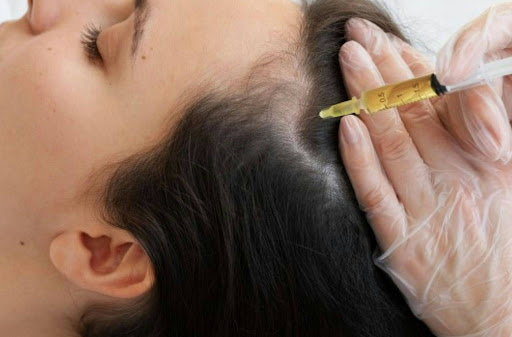
GFC hair treatment works by using growth factors taken from your own blood to support weaker hair follicles. During the procedure, a small blood sample is processed and injected into areas where thinning is visible. Once people understand how the treatment works, the next question usually revolves around how the scalp might respond afterward. In most cases, reactions are mild and manageable, often settling with simple care or medication.
Why Does GFC Hair Treatment Cause Side Effects?
GFC therapy injects concentrated growth factors into the scalp. The injections and follicle stimulation activate the body's repair response, which can lead to mild and temporary side effects.
The treatment involves several injections near the areas of hair loss and thinning. Each injection slightly disturbs the skin barrier and underlying tissue. The body responds immediately by increasing blood circulation and activating repair signals around those points. This reaction can briefly cause redness, swelling, or sensitivity on the scalp.
When the scalp senses tiny injuries from the injections, it begins a normal healing process. Blood vessels expand, immune cells move to the area, and the skin starts repairing the treated spots. These processes help the scalp recover but can also lead to short-term reactions like warmth, tightness, or mild irritation.
The injections include proteins which help activate the follicles. By working on the follicle and its environment, these growth factors affect the growth cycle of hair and promote good scalp health. This stimulation can sometimes lead to temporary changes, such as mild shedding or increased scalp sensitivity, while the follicles adjust.
Complete List of GFC Hair Treatment Side Effects: Common to Rare
Most of the reactions that occur after GFC hair treatment sessions are mild and transient. Such reactions occur due to the scalp's response to injections and increased hair follicle activity. The following list covers side effects ranked from the most to the least common.
One of the most common side effects of GFC hair treatment is redness at the injection site. The cause is the introduction of tiny needles into the scalp and increased blood circulation in the affected areas. Some degree of swelling might also develop, but only temporarily.
Feeling of soreness on the scalp is quite normal after receiving GFC. As there will be several shots during the procedure, the area where these shots are administered could feel sore for some time after. Symptoms include:
- Soreness while touching the scalp
- Soreness during combing and shampooing hair
The shots may cause irritation to the scalp and the nerves in it. This condition normally gets better within 24 to 48 hours.
Shedding may occur temporarily since the follicles need time to react to the stimulation process. Signs of temporary hair fall after treatment include:
- An increase in hair fall
- Loose hair strands when washing or brushing
Some weaker hairs from the rest phase shed due to the activation of follicles. This symptom is temporary and is likely to show up a couple of weeks after the treatment.
Allergic reactions to GFC itself are rare since the treatment uses your own blood. In most cases, irritation is linked to products used during the procedure, such as numbing creams or antiseptic solutions. Mild itching, rash, or localized irritation may appear in sensitive individuals. If symptoms persist, a doctor should evaluate the scalp.
When Should You Worry?
Most GFC hair treatment side effects are mild and settle within a day or two. However, a few symptoms should not be ignored.
Contact Your Doctor If You Experience:
- Persistent swelling past 48–72 hours
- Increased pain rather than decreased over time
- Pus or signs of infection at the injection sites
- Widespread redness spreading across the scalp
Who Is Most Likely to Experience Side Effects After the Treatment?
Not everyone reacts to GFC treatment the same way. Certain scalp conditions, medical factors, and even whether it's your first session can influence how the scalp responds after the procedure.
Sensitive Scalp Types
Individuals who have naturally sensitive skin might react more easily to any injection therapy. People with an irritated, red, dandruff- or dermatitis-prone scalp would be especially sensitive to the procedure. Symptoms experienced by people with a sensitive scalp may include:
Underlying Medical Conditions
There are some medical conditions that would determine how well someone tolerates scalp injections. Individuals with the following health conditions might expect stronger reactions to the procedure:
Conditions Requiring Extra Caution
- Blood clotting issues: Greater possibility of bruising
- Autoimmune diseases: Increased inflammation response
- Uncontrolled diabetes: Slower recovery process
Recommended Step Before Treatment
It is recommended for a physician to discuss a patient's complete medical background prior to prescribing GFC treatment. Addressing underlying conditions first helps reduce complications and ensures the scalp heals properly.
First Session vs Later Sessions
Side effects can sometimes feel more noticeable during the first treatment because the scalp is experiencing the injections and growth factor stimulation for the first time.
| Aspect | First GFC Session | Later Sessions |
|---|---|---|
| Scalp reaction | The scalp is new to the injections and stimulation | The tissue is more familiar with the process |
| Inflammation response | Slightly more redness or sensitivity may appear | Reactions are usually milder |
| Comfort level | Some people feel more tenderness | Most patients report better comfort |
| Recovery time | May feel slightly longer | Often quicker as the scalp adapts |
Is Your Skin at Risk?
Certain skin characteristics can also affect how the scalp reacts. Factors that may increase sensitivity include:
Can The Side Effects Be Avoided?
Most GFC hair treatment side effects are mild and short-lived. While the scalp's natural reaction cannot be completely controlled, proper preparation and aftercare can help reduce discomfort and support quicker recovery.
What You Can Control
Certain steps before and after the session can make the treatment easier on your scalp:
- Choose a clinic with experienced and trained doctors
- Avoid alcohol and blood-thinning medicines before treatment
- Keep your scalp clean before the session
- Follow your doctor's aftercare instructions carefully
What You Can't Control
Some reactions depend on how your body naturally heals after injections. Factors such as skin sensitivity, scalp blood circulation, and immune system response all affect how your scalp responds — which is why people may experience slightly different side effects.
When to Walk Away
GFC treatment should be postponed if certain scalp or health conditions are present.
Conditions to Address Before Starting GFC
Is It Worth It?
For people with hair thinning, GFC offers a non-surgical option. It helps follicles using growth factors from your own blood. The side effects are usually mild and do not last long. This makes GFC a practical choice for patients looking for a biology-based approach to hair restoration.
Some patients compare GFC with injection-based treatments. They also look into PRP hair treatment before deciding which one is best for their hair problems
Conclusion
Thinning hair can feel frustrating, but understanding the treatment and its possible reactions helps you make better decisions. At the Evoke Hair Clinic, patients are introduced to effective and medical approaches aimed at addressing specific hair problems.
While considering advanced treatment, it is vital to know about the benefits, results, and side effects. If one wants to undergo GFC treatment in Delhi, it will be wise to get professional advice to know whether the treatment suits them.
Book a Free Consultation at Your Nearest Evoke Clinic
Get a proper diagnosis before committing to any treatment. Expert scalp analysis at 7 locations across Delhi NCR — no obligations, completely free.