How to Prevent Hair Fall? Comprehensive Guide | Evoke Clinic

How to Prevent Hair Fall - Complete Guide to Stronger Roots

If you're seeing more hair on your pillow, comb, or shower drain lately, losing around 50–100 strands a day is normal, but when that number starts creeping up, it’s hard not to worry. And if you live in a busy city like Delhi, hair fall isn’t always just genetics. Hard water, pollution, daily stress, and even what you eat can quietly affect your scalp and hair roots. 

The good news? Once you understand the real causes, you can actually start fixing the problem instead of guessing.

Hair Fall vs. Hair Loss: Why Prevention is Better Than Cure

Most people use “hair fall” and “hair loss” to mean the same thing. But they’re actually different problems.

What is Hair Fall (Telogen Effluvium)?

Hair fall is usually temporary shedding. It happens when something shocks your system , stress, illness, sudden weight loss, poor nutrition, or hormonal changes. Many people notice it after COVID, pregnancy, or a stressful period at work. 

The hair follicle is still alive. Once the trigger improves, your hair growth cycle usually stabilises again.

What is Hair Loss (Androgenic Alopecia)?

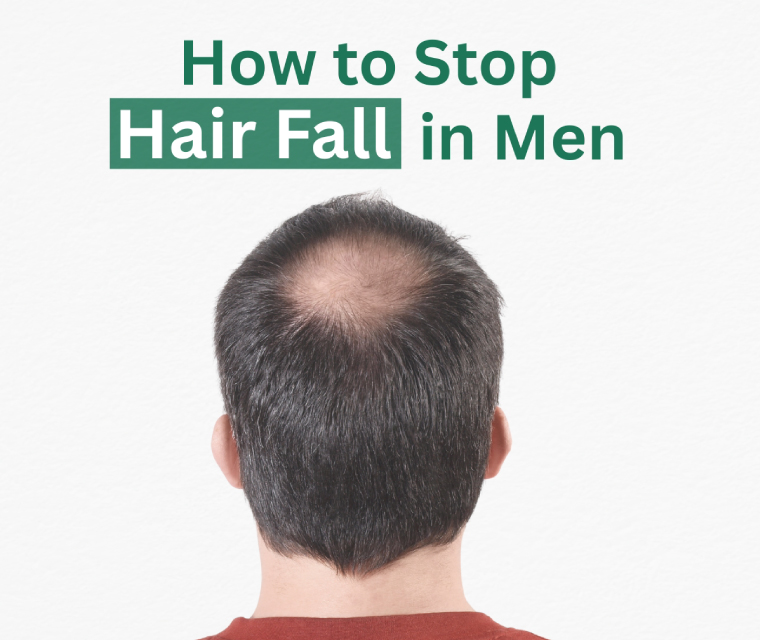
Hair loss is more gradual and long-term. It happens when hair follicles slowly shrink because of a hormone called DHT. Over time, the hair growing from those follicles becomes thinner and shorter.

If you've noticed your receding hairline slowly moving back over months or years, that’s usually androgenic alopecia rather than temporary hair fall.

In many men, male pattern baldness follows a predictable pattern, starting around the temples or crown. Catching it early gives you more treatment options and better long-term results.

Protecting Hair from Hard Water and Pollution

In cities like Delhi, your hair deals with more than just styling damage. Hard water and daily pollution quietly affect your scalp health, often making hair weaker and more prone to shedding.

How Hard Water Damages Your Hair

Delhi’s water often contains high levels of calcium and magnesium. These minerals leave residue in your scalp and over time the residue blocks the follicles and takes all the natural oils away. 

The result is hair that feels rough, dry, and brittle. It breaks more easily and struggles to grow longer. Think of it like a limescale in a kettle, except it’s settling on your scalp.

How Air Pollution Affects Your Scalp

Air pollution not only  damages your lung health,  it also reaches your scalp, interfering with the environment that your hair follicles require to thrive.

When you are exposed to PM2.5, it causes more scalp irritation, which can also weaken the proteins that support hair growth. Therefore, it is crucial to maintain a clean scalp, especially when you are exposed to a polluted environment.

Checklist to Prevent Hair Fall and Thinning

Hair care advice can feel overwhelming. But in reality, preventing hair fall often comes down to a few consistent daily habits. Think of this as a simple checklist. Small changes in your routine can protect your scalp and reduce unnecessary hair shedding over time.

  • Wash your hair up to three times a week using lukewarm water, not hot water
  • Oil your scalp once a week with coconut or rosemary oil
  • Use a wide-tooth comb on wet hair instead of a brush
  • Avoid tight ponytails or buns that pull on the hairline every day
  • Sleep on a cotton or silk pillowcase to reduce friction

The Hair-Defense Diet: Beyond Just "Protein"

Everyone has been told the same thing when hair fall begins. You simply have to eat more protein. However, hair needs a number of nutrients to be healthy. When even one of these nutrients is lacking, your hair may have trouble growing.

Iron & Ferritin: The Fuel for Hair Cell Production

Iron helps in  delivering oxygen to your hair follicles. When ferritin levels drop too low, follicles don’t get enough oxygen to function properly.

This is extremely common in Indian diets, especially among women who follow vegetarian meals. If your hair fall has increased recently, it’s worth checking ferritin levels, not just haemoglobin.

Simple foods like spinach, rajma, and roasted chana can help improve iron intake over time.

Zinc & Biotin: Building Stronger Hair Strands

Zinc supports hair growth and helps maintain the oil glands around your follicles. Without enough zinc, hair strands can become weak and prone to breakage.

Biotin is often advertised for hair growth, but true deficiency is rare. In many cases, hair fall improves once the underlying nutrient gaps are corrected.

Foods like pumpkin seeds, eggs, and moong dal provide both zinc and biotin naturally.

Anti-Inflammatory Foods That Protect Your Scalp

Urban pollution may also cause inflammation on your scalp. This may eventually cause your hair follicles to weaken. This may affect your hair growth cycle.

However, you can counteract this by incorporating anti-inflammatory foods in your diet. You can start by taking flaxseeds, walnuts, and green tea,are simple options that maintain scalp health 

5 Daily Habits That Silently Cause Hair Thinning

Sometimes hair fall isn’t caused by one big problem. It builds slowly from everyday habits you don’t think twice about. Over time, these small routines weaken the scalp and hair follicles.

Hot Showers

Very hot water strips away the scalp’s natural oils. Without that protective layer, the scalp becomes dry and hair strands break more easily.

Aggressive Towel Drying

Wet hair is fragile. Rubbing your hair with a towel stretches the strands and causes them to snap. Gently patting your hair dry works much better.

Tight Hairstyles Every Day

Constant tension from tight ponytails, buns, or braids pulls on the follicles. Over time this can even lead to a receding hairline, especially around the temples.

Ignoring Dandruff

Dandruff isn’t just about flakes. The fungus that causes it can inflame the scalp and clog follicle openings, making it harder for hair to grow normally.

Chronic Stress and Late Nights

Stress increases cortisol levels in the body. High cortisol pushes hair follicles into the shedding phase earlier than they should.

Fixing these habits doesn’t cost anything. But if you’ve already improved them and the hair fall continues, it may be time to consider medical treatment options.

When to Move to Clinical Prevention - GFC & Mesotherapy

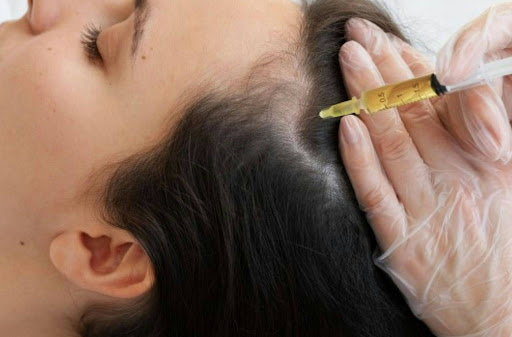
If hair fall persists even after an improvement in your lifestyle, diet, and hair care, then your hair follicles may need medical support. Growth Factor Concentrate, or GFC, and mesotherapy inject growth factors directly into your scalp. 

These treatments help in strengthening weak hair follicles, enhancing blood circulation, and regulating the normal growth of hair. If these treatments are taken in the early stages of the process, they can help in slowing down the thinning of hair as well as the fall of hair.

Consult the Experts - Visit Evoke Hair Clinic in Delhi NCR

However, hair fall may not stop even if your lifestyle has improved. If hair fall continues even though your diet, lifestyle, and scalp care have improved, then there might be a problem with your hair growth cycle.

Getting an early diagnosis can make a huge difference. A professional consultation will aid in diagnosing conditions like hormonal imbalance, nutritional deficiency, or even genetics. 

At Evoke Hair Clinic we provide you with an in-depth scalp examination and a suitable plan of action, helping you understand your condition better and choose a solution accordingly.

Frequently Aseked Questions:

1. What is the best way to prevent hair fall caused by hard water?

Install a shower filter to reduce mineral buildup. Use a gentle sulphate-free shampoo and clarify your scalp occasionally. This helps remove deposits and keeps follicles clean and healthy.

2. Can stress-induced hair fall be prevented?

Stress can push hair follicles into the shedding phase. Managing sleep, exercise, and stress levels helps stabilise the hair cycle and reduces the chances of prolonged shedding.

3. Does wearing a helmet every day lead to hair fall?

Helmets do not directly cause hair fall. However, sweat and friction can irritate the scalp. Keeping your scalp clean and wearing a properly fitted helmet helps prevent unnecessary damage.

4. Is oiling your hair overnight good for prevention?

Oiling can help moisturise the scalp and reduce dryness. Leaving oil overnight occasionally is fine, but excessive oiling or aggressive massage may irritate sensitive scalps.

5. Can GFC therapy prevent me from needing a transplant later?

GFC therapy can strengthen existing follicles and slow thinning when started early. In many cases, it helps stabilise hair loss and may delay or reduce the need for a transplant

Get started with Evoke

Your hair health journey starts here. Join Evoke and experience Hair restoration designed for the modern world.
Book Appointment
Chat Now!