.svg)

How to Stop Hair Fall in Men: 2026 Clinical & Lifestyle Guide
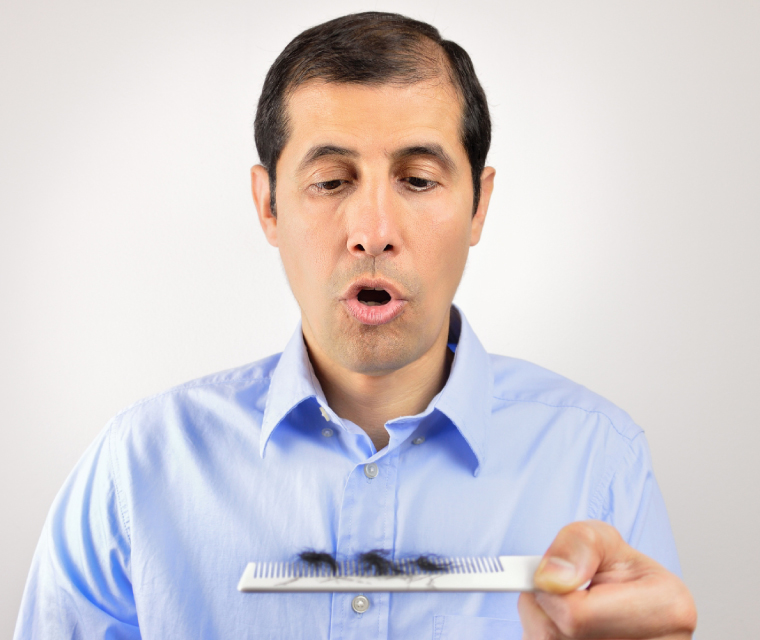
For city dwellers navigating nonstop schedules, while losing 50 to 100 strands a day is a normal part of the day for men. Most of the time such instances are assumed as seasonal shedding, and this is where individuals make the mistake of assuming it will correct itself.
However, when you see your daily hair partition has started looking wider month after month, that is not seasonal anymore. That is a clear case of you having a hair fall problem, and understanding the difference is the first step toward knowing how to control hair fall for men before it progresses.
In a city like Delhi, where pollution, hard water, and high stress work in tandem against the scalp, waiting and watching is not advisable. The best way to stop hair fall immediately and address the damage immediately, is a combination of proactive clinical intervention and deliberate lifestyle changes.
Is Your Hair Falling or Are You Balding? Identifying the Signs
At 24, noticing more hair in the comb right after a project deadline hits is different than noticing the temples have been creeping back since college. Both situations cause the same panic, but they come from completely different places, and treating one like the other is where most men in their 20s and early 30s lose precious time.
Telogen Effluvium
That phase where the hair just starts dropping after months of back to back work pressure, poor sleep, or even recovering from a bad fever is called Telogen Effluvium. Hair loss due to stress is its most common trigger, especially in Delhi's corporate belt where 45 minute commutes, irregular meals, and late night screen habits are just a normal Tuesday.
But the good news is, your hair follicles are not damaged in this case. They have been shocked into resting all at once, which is why the shedding looks alarming. Once the pressure eases and the body stabilises, the cycle restarts on its own within a few months.
Progressive Thinning
Early stage male pattern baldness does not wait for life to settle down. Genetic hair loss has already decided which follicles will shrink every time they encounter DHT, and that process starts as early as 19 or 20 in metro populations where stress and pollution accelerate the timeline.
The receding hairline shows up first, usually at the temples, followed by thinning at the crown, and slowly both zones move toward each other. Dermatologists track this using the Norwood Scale, from Stage 1 through Stage 7. A man at Stage 2 who acts now has options that a man at Stage 5 no longer does.
How Environmental Factors Accelerate Hair Fall
Among the major reasons for hair fall in male residents of Delhi NCR, environmental exposure deserves more attention than it gets.
A widespread problem in Noida, Gurgaon, Dwarka, and Rohini, where TDS levels regularly exceed 500 mg/L. The excess calcium and magnesium in hard water react with shampoo to form a mineral coating on strands and the scalp surface. Over time, this buildup clogs follicular openings, strips natural oils, and leaves the hair shaft brittle and prone to breakage. If the hair snaps mid length rather than falling from the root, hard water is very likely a contributing factor.
Delhi's AQI regularly crosses 300 during winter months. Particulate matter at this concentration penetrates the scalp barrier and reduces proteins essential for follicle health. The result is chronic scalp inflammation, dandruff flare ups, and an accelerated shedding cycle — making pollution one of the most persistent and underestimated contributors to hair fall in the city.
The "Hair-First" Nutrition Plan for Preventing Hair Fall
Follicles burn through nutrients faster than most cells in the body, and when the diet falls short, hair is the first thing the body quietly stops investing in. The crash dieting pattern that plays out every wedding season across Delhi — where calories get slashed for two to three months — is one of the most common triggers for acute shedding that nobody connects back to food.
Iron
Subclinical deficiency is widespread in vegetarian diets. Pair dal and palak with amla or lemon to improve absorption.
Zinc
Phytic acid in rotis blocks zinc uptake. Pumpkin seeds and roasted chane help work around this.
Vitamin D
Office-bound metro lifestyles mean most men are deficient despite the Indian sun.
Protein
Hair is 95% keratin. Skipping meals or undereating while gymming starves follicle production.
Moving Beyond Home Remedies to GFC & QR678 Treatments
Oil massages, onion juice, and herbal rinses have been part of Indian hair care for generations, and they do offer some surface level benefits like improved blood flow and conditioning. But here is the honest reality: none of them block DHT. For anyone dealing with genetic hair loss or progressive male baldness, the mechanism of loss operates at a hormonal and cellular level, which topical home remedies simply cannot reach.
GFC Therapy
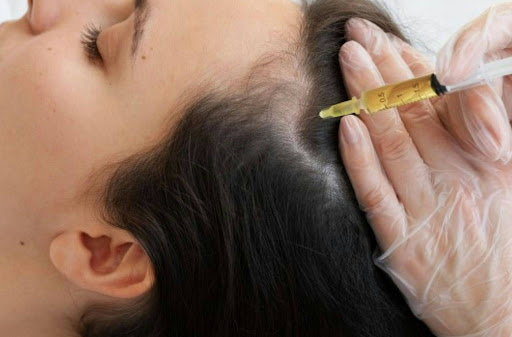
Growth Factor Concentrate (GFC) therapy has emerged as one of the most effective clinical options to reduce hair fall for men and thicken existing hair. GFC uses concentrated growth factors derived from the patient's own blood to stimulate dormant follicles, extend the growth phase of the hair cycle, and improve hair density. For those weighing clinical options, understanding the differences outlined in a GFC vs PRP comparison is essential, since GFC delivers a higher and more consistent concentration of growth factors than traditional PRP.
QR678 Treatment
QR678 Hair Growth Treatment is another clinically validated option that works through a patented blend of growth factors and peptides injected directly into the scalp. Meanwhile, Low Level Laser Light Therapy (LLLT) stimulates cellular ATP production in follicle cells, essentially reactivating energy supply to follicles that have gone sluggish. LLLT works best as a complement to GFC or QR678 both.
Low Level Laser Light Therapy (LLLT)
Stimulates cellular ATP production in follicle cells, essentially reactivating energy supply to follicles that have gone sluggish. LLLT works best as a complement to GFC or QR678 both, amplifying the biological response from those treatments.
Expert-Approved Hair Care Habits for the Modern Indian Man
Clinical treatments work best when daily habits support them. Three practices stand out for men living in metro environments.
Regular Scalp Massages — Three to five minutes daily using the fingertips significantly increases blood flow to the follicles. Studies show consistent scalp massage can measurably improve hair thickness over a 24 week period.
Caffeine-Infused Shampoos & Serums — These have shown promise in clinical studies. Caffeine counteracts the suppressive effect of testosterone on the hair follicle and prolongs the growth phase when applied topically.
Antioxidant-Rich Scalp Serums — For anyone navigating Delhi's oxidative environment, an antioxidant rich scalp serum provides a protective layer against free radical damage from PM2.5 and UV exposure. These habits meaningfully support any clinical protocol aimed at helping stop hair fall immediately.
Can Hair Fall Be Reversed? What to Expect from Treatment
Hair follicles do not die as quickly as most people assume. In the early and mid stages of thinning, follicles are not gone — they are miniaturised. The hair cycle has shortened, the strand diameter has reduced, and production has slowed, but the follicle structure is still alive beneath the surface. This is the biological basis for reversal, and it is also why timing matters so much. A miniaturised follicle can be reactivated. A follicle that has been dormant for years and has fibrosed (scarred shut) cannot.
The Reversal Window
At these stages, early stage male pattern baldness is still working with follicles that respond to intervention. Growth Factor Concentrate (GFC) therapy, paired with medical management like finasteride and minoxidil under clinical supervision, can extend the growth phase, increase strand thickness, and push miniaturised follicles back into active production.
For men dealing with hair loss due to stress layered on top of early genetic hair loss, addressing the stress trigger alongside GFC creates a compounding recovery effect. This window is real, but it narrows with every passing month of inaction.
The Restoration Path
Once follicle miniaturisation has progressed past the point of chemical reactivation, the conversation shifts from reversal to restoration. Bio-FUE Hair Transplant is the most effective route here, combining follicular unit extraction with biological growth factor support to maximise graft survival and post transplant density.
A realistic understanding of hair restoration cost, expected timelines (visible density improvement at 8 to 12 months post procedure), and maintenance protocols is essential before committing.
The Constant Across All Stages: Whether the cause is temporary shedding from stress, nutritional gaps, or progressive genetic hair loss, the single factor that determines outcomes more than anything else is how early treatment begins. Every clinical approach to how to control hair fall for men delivers better results when it starts sooner.
Consult the Experts — Visit Evoke Hair Clinic in Delhi NCR
Hair fall has been an isolating experience for many, especially when every home remedy and online suggestion leads to nowhere. Having someone who actually listens, runs the right tests, and builds a treatment plan around what is really going on, turns the dream of finding a permanent problem resolution into a reality.
Evoke Hair Clinic brings that expertise to seven locations across Delhi NCR, so quality care is always close by.
Walk In With Questions. Walk Out With Confidence.
Book a consultation today and receive a personalised treatment plan backed by clinical diagnosis — not guesswork. Seven clinics across Delhi NCR, so expert care is never far away.
Frequently Asked Questions